
9 Affordable Retail Execution Tools Without Enterprise Pricing
Most retail execution tools don’t feel expensive when you first look at them.
You go through a demo, maybe compare a few platforms, skim the feature lists. Everything looks more or less aligned. The differences seem to come down to details, not cost.
Then the tool actually becomes part of the day-to-day work.
That’s when the price stops being just a number. It starts showing up in smaller ways. A feature you assumed was included turns out to be limited. Adding a few more reps changes the pricing tier. Something simple ends up requiring an extra step or even another system.
For smaller CPG teams, that shift is hard to ignore. Not because budgets are tight, but because the workflow itself becomes harder to manage.
That’s usually the moment when “affordable” starts to mean something else.
Why Pricing Rarely Feels Straightforward
In this category, pricing is rarely just about the subscription.
It tends to be tied to how the tool is rolled out and how much of the workflow it actually covers. Two platforms can look similar at the start and behave very differently once the team begins using them.
Some tools are clearly designed for longer setups. They assume a certain level of structure, maybe even internal resources to support the rollout. That can work well in larger environments where processes are already defined.
Smaller teams don’t always have that luxury.
They usually need something that works quickly. Something that doesn’t require rethinking the entire process just to get started. If a system takes too long to fit into the way the team operates, it starts creating friction before it delivers value.
That’s where simpler tools tend to feel more natural. Not necessarily simpler in what they do, but in how easily they fit into everyday work.
What Makes a Tool Feel Affordable Over Time
The difference often shows up a few weeks in, not on day one.
A tool might look inexpensive, but require extra steps to complete basic tasks. Another might seem slightly more expensive, but remove the need for two or three additional systems.
Most teams notice this in small moments.
How many times does someone have to switch between tools during a visit? How often does something need to be done later instead of immediately? How much coordination happens outside the system?
These things don’t appear in pricing tables, but they affect how manageable the tool feels.
When the workflow flows naturally, the cost tends to stay predictable. When it doesn’t, the hidden effort starts to build up.
1. SimplyDepo
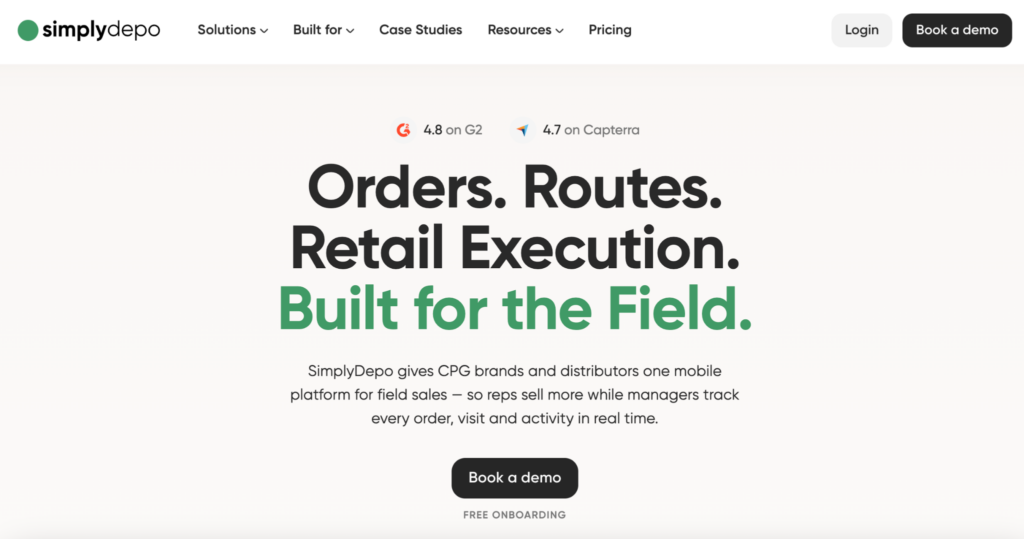
SimplyDepo is built in a way that avoids splitting the workflow into separate pieces.
Instead of treating merchandising, ordering, and delivery as different systems, it brings them together. A rep can move through the entire process without stepping out of the same environment.
The platform includes:
- Shelf audits and planogram checks
- Photo reporting and visit tracking
- Order capture during store visits
- Route planning and delivery coordination
- Invoicing and accounting connections
What stands out is how little switching is involved. A store visit does not create a list of follow-ups somewhere else. Most of what needs to be done can happen on the spot.
For smaller teams, that tends to reduce the amount of coordination required after the visit. Fewer things get pushed to later, which makes the process easier to keep under control.
At the same time, it is clearly built for teams that operate in the field. If the workflow does not include regular store visits, this kind of setup may not be necessary.
2. Repsly
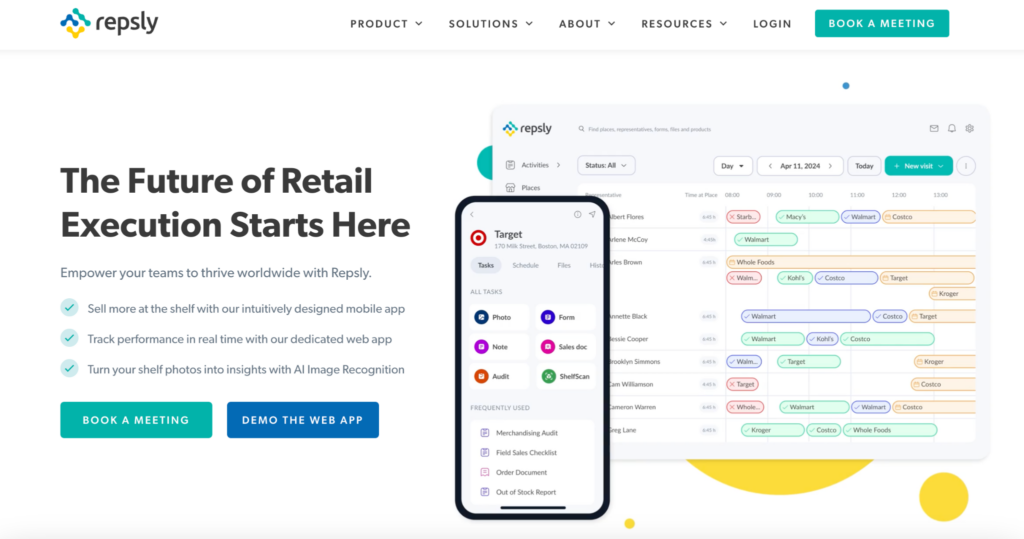
Repsly is often chosen for how structured it feels without being overly complex.
It gives teams a consistent way to run store visits and collect data. That alone can make a big difference when multiple reps are working across different locations.
Its functionality includes:
- Store audits and task management
- Photo documentation
- Performance tracking
- Team activity monitoring
This creates a clear picture of what is happening in the field.
Where things start to shift is when teams grow. More users, more data, and sometimes the need for additional features can change how the pricing behaves. For many teams, the structure still makes it worthwhile, especially if visibility is the main goal.
3. GoSpotCheck (FORM)
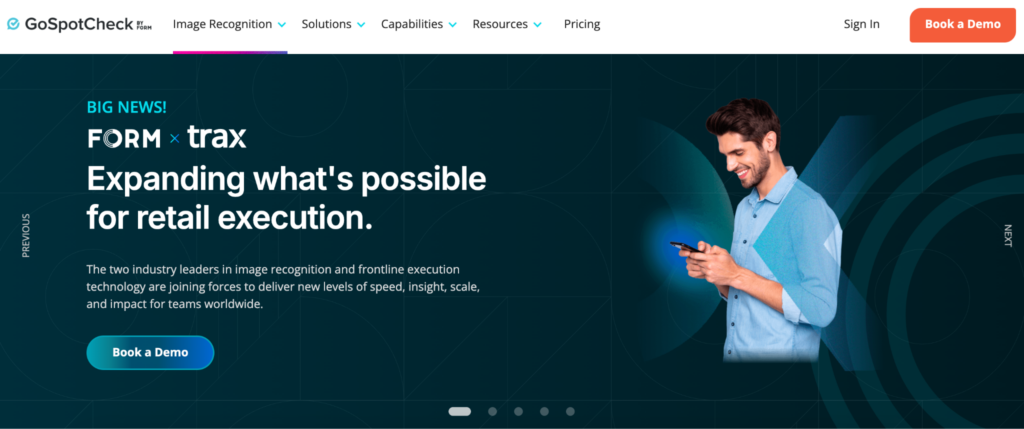
GoSpotCheck leans heavily into structured workflows.
Every visit follows a defined set of steps. Data is captured in a consistent format. That makes reporting reliable and easier to compare across locations.
The platform typically includes:
- Task-based workflows for store visits
- Photo surveys and documentation
- Data collection and reporting
- Compliance tracking
This kind of structure works well when consistency is the priority.
At the same time, it can feel a bit rigid in everyday use. Not every store visit goes exactly as planned, and adjusting the workflow on the fly is not always straightforward. For smaller teams, that can add an extra layer of effort.
4. Skynamo
Skynamo focuses more on what happens during the conversation in the store.
It is designed to help reps capture orders and manage customer relationships while they are already on site. The emphasis is on making those interactions smoother.
Its functionality includes:
- Mobile order capture
- Customer and visit management
- Offline operation
- Sales tracking
This works well when the main objective is to turn visits into sales.
Merchandising is not the central part of the system, which means teams that rely on detailed audits may need something alongside it. That combination can affect how affordable the setup feels in the long run.
5. Orders in Seconds (OIS)
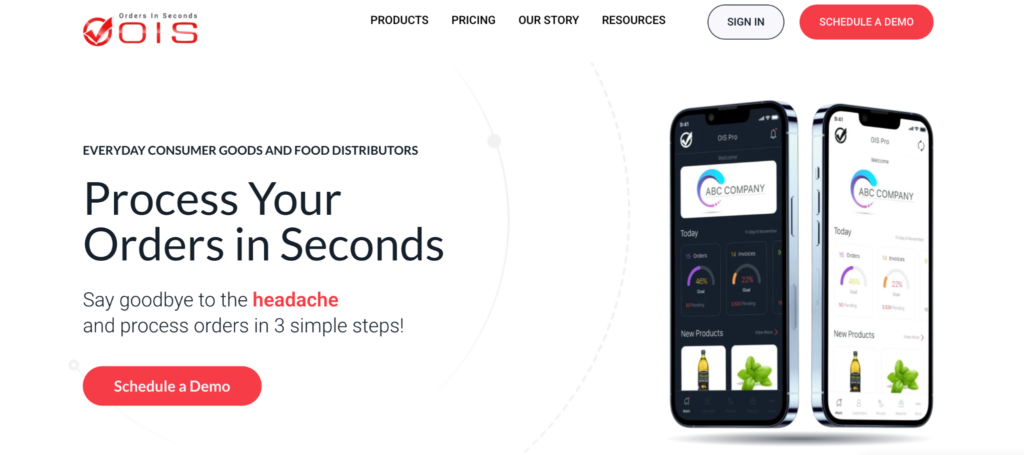
Orders in Seconds keeps things focused on order entry and delivery.
It is often used by distributors who need a straightforward way to capture orders and connect them to accounting without adding complexity.
The platform includes:
- Field order entry
- Integration with accounting systems
- Delivery tracking
- Customer account management
This makes it easier to keep sales and fulfillment aligned.
It does not try to cover everything. Merchandising workflows are limited, which means teams that need that layer will have to add another tool.
6. Spotio
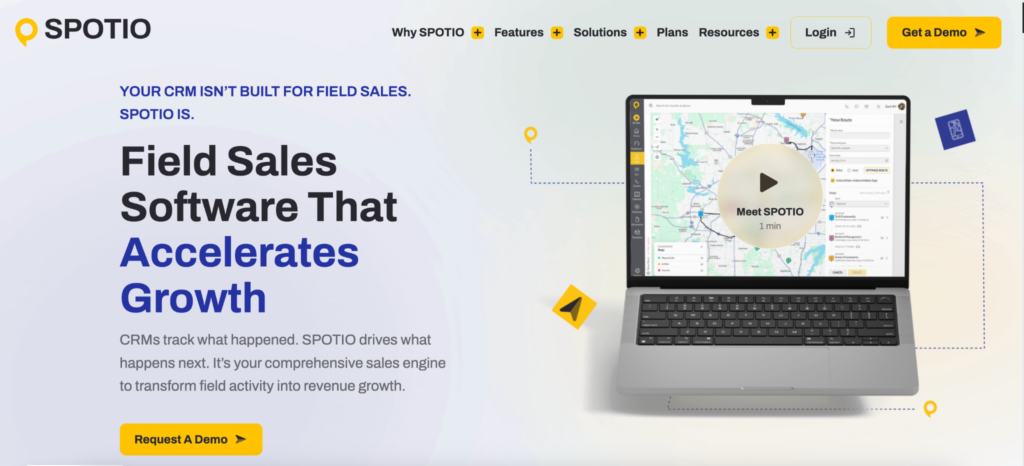
Spotio looks at the problem from a different angle.
Instead of focusing on execution itself, it focuses on how teams operate. Where reps go, how they spend their time, and how activity is distributed across territories.
Its core areas include:
- Territory management
- Visit tracking
- Activity reporting
- Performance insights
This can help teams understand where improvements are possible.
It is not meant to replace retail execution tools. It usually sits alongside them, which means it adds value but does not reduce the need for other systems.
7. Leadbeam
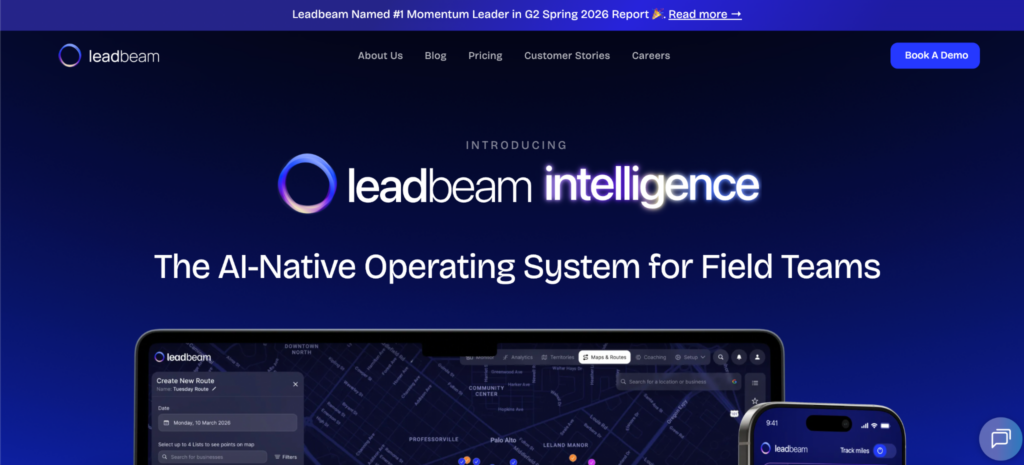
Leadbeam is closer to a data layer than an execution tool.
It helps teams keep track of interactions and organize information about accounts. Over time, that can make follow-ups and planning more structured.
Its functionality includes:
- Lead and account management
- Sales activity tracking
- Territory insights
- Data capture tools
This supports better visibility into relationships and the pipeline.
It does not handle merchandising or operational workflows directly, so it is usually combined with other tools rather than used on its own.
8. B2B Wave
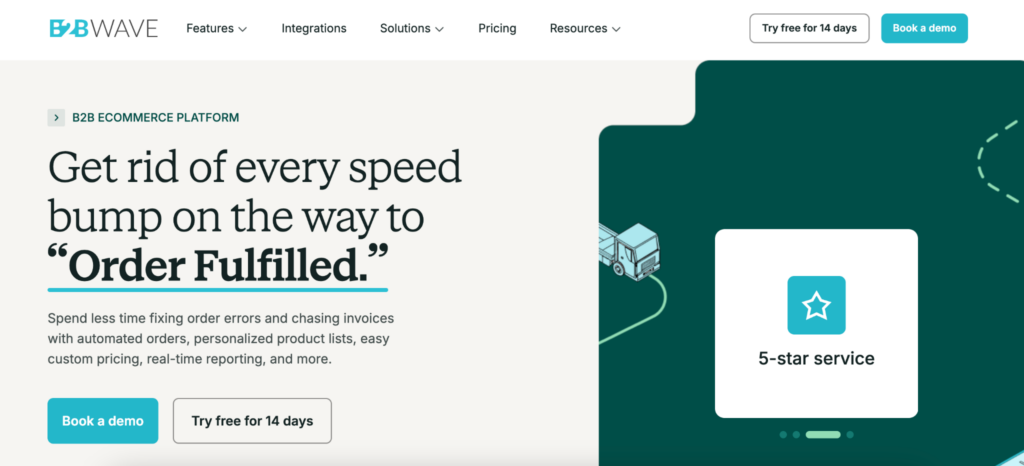
B2B Wave moves part of the process away from the field.
Instead of relying on reps to capture every order, it allows customers to place orders themselves through an online portal. That can reduce the amount of manual work.
The platform includes:
- B2B ordering portals
- Customer self-service functionality
- Product catalogs and pricing
- Backend integrations
This can simplify certain parts of the workflow.
For teams that rely heavily on in-store execution, it does not replace the need for field tools.
9. WizCommerce
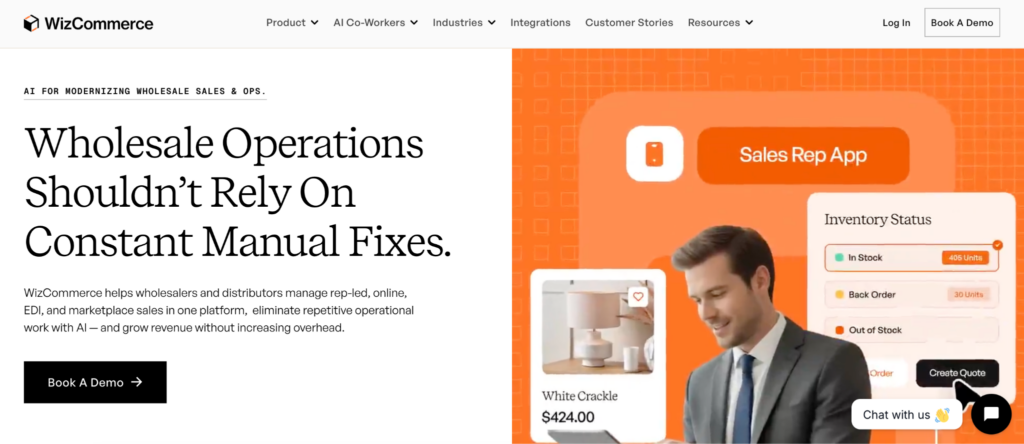
WizCommerce focuses on organizing product information and making ordering more efficient.
It is often used by brands that deal with large assortments and need a cleaner way to manage catalogs and transactions.
The platform includes:
- Digital product catalogs
- Order management systems
- Product organization tools
- Wholesale workflows
This helps reduce manual work in back-office processes.
Retail execution in the field is not part of its core structure, so it plays a different role compared to other tools in this list.
What Changes After a Few Months of Use
The difference between tools usually becomes obvious after some time.
A team might start with a platform that looked affordable. Over time, they realize they still rely on several other systems. Some tasks take longer than expected. Adjustments require extra effort.
Another team might start with something that feels more straightforward. It fits into their workflow without major changes. They still adapt it, but it does not force them to rebuild the process.
Both choices can seem similar at the beginning.
Only one tends to remain easy to manage.
Looking at Cost From a Different Angle
It helps to think about cost in terms of effort, not just price.
How many steps does it take to complete a visit? How often do people need to switch between tools? How much work happens after the visit instead of during it?
These things shape how the tool feels in everyday use.
A system that reduces those small frictions often ends up being more affordable, even if the subscription itself is not the lowest.
That is usually what matters most for SMB teams. Not just what they pay at the start, but how the tool behaves once it becomes part of the routine.